Ballita Script: Mastering Modern Calligraphy for Your Brand
If you’ve spent any time scrolling through design inspiration lately, you’ve likely noticed a shift away from rigid, geometric fonts toward something more human and organic. In a digital landscape dominated by sterile sans serif font families, a touch of warmth can make a massive difference. This is where Ballita Script enters the conversation. It isn’t just another script font; it is a sophisticated tool designed to inject personality into your projects without sacrificing legibility. For designers, entrepreneurs, and content creators, understanding how to wield a premium font like this can be the bridge between a project that looks "fine" and one that truly connects with an audience.
The Anatomy of a Versatile Script Font
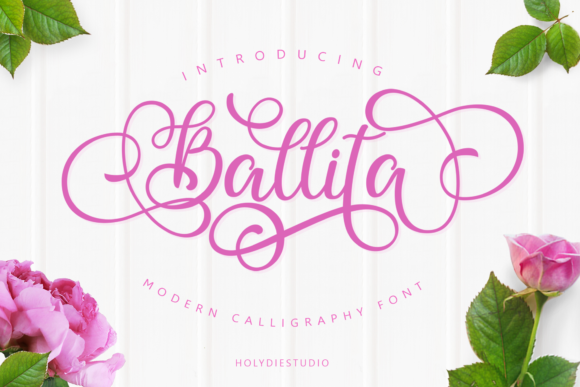
At first glance, Ballita Script presents itself as a quintessential modern calligraphy font. It possesses the fluidity and rhythmic flow of traditional handwriting but refines those qualities with a contemporary edge. The baseline has a natural bounce to it, mimicking the organic movement of a pointed pen on textured paper. However, unlike many handwritten font options that look messy or overly casual, Ballita Script maintains a consistent weight and structure. This balance is crucial for professional applications. It feels personal and bespoke, yet structured enough to be used in formal branding contexts.
The true power of this typeface lies in its extensive set of alternates. When you are working on a logo design or a specific headline, you often run into the issue of repetitive letterforms. Two "o"s or "t"s sitting next to each other can look robotic. Ballita Script solves this by offering multiple variations for many standard characters. This allows you to customize the text to look like authentic hand-lettering. You can mix and match swashes and loops to create a visual rhythm that guides the viewer’s eye. This level of customization is a hallmark of a high-quality creative font, giving you the flexibility to tailor the typography to the specific mood of your brand identity.
Strategic Applications: Where Ballita Script Shines
Knowing a font exists is one thing; knowing where to use it is another. Because Ballita Script is a display font, it is best utilized in situations where you need to make an immediate emotional impact. It is not designed for long paragraphs of body text, but rather for the moments that define your visual hierarchy.
In the realm of packaging design, this font is a game-changer. Imagine a boutique candle, a gourmet chocolate bar, or a handmade soap label. The natural, flowing style of Ballita Script instantly communicates that the product inside is artisanal and crafted with care. It creates a tactile feeling before the customer even touches the product. Similarly, in editorial design, such as magazine headers or blog post titles, it offers a refreshing break from standard serif font options. It draws the reader in, promising a story that is engaging and perhaps a bit more intimate than standard news reporting.
For web design and social media graphics, readability at smaller sizes is always a concern with script fonts. However, Ballita Script’s clear letter separation makes it a strong candidate for Instagram quotes, Pinterest pins, and website hero sections. When used for a call-to-action button or a specific value proposition on a landing page, it can increase audience engagement by adding a human element to the digital interface. It reminds the user that there are real people behind the brand, fostering trust and recognition.
Pairing and Hierarchy: The Designer’s Challenge
One of the most common mistakes in typography is using a creative font in isolation or pairing it with the wrong companion. A script font as expressive as Ballita Script requires a grounding partner. Think of it as a conversation between two voices. If Ballita Script is the enthusiastic storyteller, it needs a calm, structured listener to balance the dialogue.
The safest and often most effective strategy is to pair Ballita Script with a clean, geometric sans serif font. The contrast between the fluid, organic curves of the script and the rigid, straight lines of the sans serif creates a dynamic visual hierarchy. This ensures that your headlines grab attention while your subheadings and body copy remain highly legible. Alternatively, pairing it with a classic, sturdy serif font can create a "modern meets traditional" aesthetic that works beautifully for wedding invitations, upscale branding, or boutique publishing.
When applying this font, pay close attention to kerning (the space between specific letter pairs). While the font is well-designed, individual words sometimes need manual adjustment to look perfect, especially in large logos. Also, consider the "white space" around the text. Because calligraphy fonts have tall ascenders and deep descenders, they need room to breathe. Crowding Ballita Script against other design assets will suffocate its elegance and ruin the professional finish.
Evaluating Fit and Commercial Licensing
Before integrating Ballita Script into your next major project, it is wise to conduct a practical evaluation. Start by typing out your specific brand name or key headlines using the font’s different styles. Look at the flow of the letters. Does the connection between the "r" and the "y" look natural? Do the swashes interfere with adjacent elements?
You should also consider the medium. While it works beautifully for print—think business cards, stationery, and merchandise—always test how it renders on various screens. Web browsers render fonts differently than design software like Photoshop or Illustrator. Ensure that the font remains crisp and readable on both mobile devices and desktop monitors.
Finally, address the technical side: licensing. Ballita Script is a commercial font, which means it comes with specific usage rights. If you are a freelancer creating a logo for a client, or a business owner using it on your own merchandise, ensure you have the appropriate license. Most premium font licenses cover desktop use (logos, print) and sometimes web use (via CSS), but they may have restrictions on volume or application type. Respecting these licensing terms protects you legally and supports the type designers who create these high-quality design assets.
Ultimately, Ballita Script is more than just a collection of vector points; it is a tool for expression. By using it thoughtfully, you can bridge the gap between digital sterility and human warmth, creating a brand identity that feels authentic, professional, and deeply engaging.